

Hyundai Tire Pressure Guide
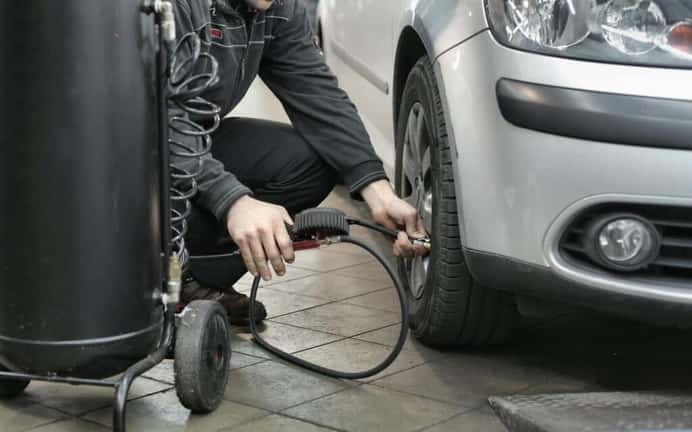
Tire pressure, measured in pounds per square inch (psi), refers to how much air is in your tires, and it’s an important factor in maintaining the performance and safety of your Hyundai. Maintaining proper tire pressure is crucial as it impacts fuel efficiency, handling, and tire longevity. Our team at Checkered Flag Hyundai World has put together this Hyundai tire pressure guide to help you keep your vehicle in top condition for years to come.
Determining the Optimal Tire Pressure for Your Hyundai
To find the recommended tire pressure for your Hyundai, you should check the driver’s side door jamb or the owner’s manual. Different Hyundai models have specific tire pressure requirements to ensure optimal performance, safety, and longevity of the tires. Here are the specific recommended tire pressures for every Hyundai models:
- Hyundai Elantra: 32-35 psi
- Hyundai Elantra Hybrid: 32-25 psi
- Hyundai Elantra N: 32-35 psi
- Hyundai Santa Fe: 33-35 psi
- Hyundai Santa Fe Hybrid: 33-35 psi
- Hyundai Sonata: 32-35 psi
- Hyundai Sonata Hybrid: 35 psi
- Hyundai IONIQ 5: 36-38 psi
- Hyundai IONIQ 6: 34-36 psi
- Hyundai IONIQ 9: 39-40 psi
- Hyundai Tucson: 35 psi
- Hyundai Tucson Hybrid: 35 psi
- Hyundai Palisade: 35 psi
- Hyundai Palisade Hybrid: 35 psi
- Hyundai Venue: 33 psi
- Hyundai KONA: 33 psi
- Hyundai KONA Electric: 36 psi
- Hyundai Santa Cruz: 32-35 psi
Factors That Affect Tire Pressure
While the recommended tire pressure for your vehicle is a good starting point, there are several factors that can affect tire pressure, including:
- Temperature: Tire pressure fluctuates with temperature. Cold weather can cause the air in your tires to contract, lowering tire pressure, while hot weather can cause it to expand. It’s important to check tire pressure more frequently during extreme temperature changes, especially in winter and summer.
- Vehicle Load: The weight of passengers and cargo also affects tire pressure. When carrying a heavier load, the pressure in the tires can increase. It’s essential to monitor this, especially if you frequently haul heavy items or go on road trips with a full car.
- Driving Conditions: Off-road driving, towing, or long-distance driving can impact tire pressure. Tire pressure should be checked more regularly if you drive under these conditions.
Maintaining Tire Health With Hyundai’s Tire Pressure Monitoring System
Hyundai’s tire pressure monitoring system (TPMS) continuously monitors tire air pressure. It alerts you with a warning light on the dashboard if the pressure falls below or exceeds the recommended range. Here’s how it works:
- Interpreting TPMS warnings: When the TPMS warning light illuminates, it indicates that one or more of your tires are significantly underinflated or overinflated. Check and adjust the tire pressure immediately.
- Resetting the TPMS: After adjusting tire pressure or replacing the tires, you may need to reset the TPMS. Refer to your Hyundai owner’s manual for specific reset instructions.
Hyundai vehicles also feature a tire pressure display and a “drive to display” feature, making monitoring tire health easier than ever.
The Impact of Tire Pressure on a Hyundai’s Performance and Safety
Maintaining the correct tire pressure is vital for your Hyundai’s overall performance and safety. Underinflating your tires will lead to more fuel consumption, uneven tire wear, reduced handling and performance, and an increased risk of tire failure. If you overinflate your vehicle’s tires, it can reduce traction, impact ride quality, and increase vulnerability to road hazards. By maintaining the proper tire pressure, you not only ensure vehicle safety but also optimize performance and extend the life span of your tires.
Practical Tips for Maintaining Optimal Tire Pressure
Below are a few tips for helping you maintain optimal tire pressure in your Hyundai.
How To Check Tire Pressure
Follow these steps to ensure you’re checking the tire pressure correctly:
- Start with cold tires, usually in the morning or after the car has been parked for a few hours.
- Remove the valve cap from one tire and press a tire gauge against the valve stem.
- Read the pressure on the gauge. Compare it to the recommended tire pressure for your Hyundai model.
- If necessary, add or release air to reach the recommended tire pressure.
Recommended Frequency
Check your tire pressure monthly and before long trips to ensure optimal performance.
Seasonal Considerations
Tire pressure can fluctuate with temperature changes, losing pressure in winter and gaining pressure in summer. Regularly check and adjust your tire pressure according to the season.
Tools and Proper Inflation
You’ll need a reliable tire gauge and an air compressor. Use a gas station air pump or a portable compressor to adjust tire pressure. Don’t forget to check the spare tire as well.
Troubleshooting Common Tire Pressure Issues in Hyundai Vehicles
If you encounter persistent low tire pressure warnings, it could indicate a slow leak or a faulty TPMS sensor. For TPMS malfunctions, consult a professional mechanic or your Hyundai dealer, such as our team at Checkered Flag Hyundai World. Always seek professional help for complex tire pressure-related issues.
Keep Your Hyundai Running Smoothly With Checkered Flag Hyundai World
Maintaining proper tire pressure is crucial for your Hyundai’s safety and performance. Regularly check and adjust your tire pressure to ensure optimal fuel efficiency, handling, and longevity. Visit Checkered Flag Hyundai World in Virginia Beach for more tips and professional tire maintenance services.
Man in Black Jacket and Black Pants Sitting Near Silver Vehicle by Andrea Piacquadio is licensed with Pexels License
0 comment(s) so far on Hyundai Tire Pressure Guide