

Hyundai Warning Lights Guide
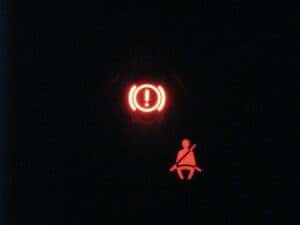
The warning lights in your Hyundai allow your vehicle to communicate critical issues. They alert you to potential problems so that you can prevent costly repairs and stay safe on the road. This guide summarizes the common and emergency warning lights you find on your dash, what they mean, and how you should respond.
Common Hyundai Warning Lights
There are several lights on your Hyundai that you’re likely to see at some point during its life span. Some require immediate attention at a dealership, while others alert you to common issues you can handle yourself, such as fueling up your vehicle. Here are the basic warning lights you need to know:
- Check engine light (overhead outline of the engine): The check engine light can mean many things, making it almost impossible to speculate on what it might be telling you. However, it could indicate a serious problem, so you should take your car to a service center immediately for a diagnosis.
- Oil pressure warning light (dripping oil can): This means that oil isn’t flowing through the engine properly. Visit a service center immediately to avoid damaging the engine.
- Battery warning light (car battery symbol): Your battery is receiving an insufficient charge or is at the end of its life span. Get a technician to check your battery and inspect the vehicle for electrical issues.
- Hybrid battery charge warning light (battery image with a lightning bolt): Your hybrid battery is malfunctioning. Contact a service center immediately.
- Brake warning light (the word BRAKE): The vehicle’s brakes or hydraulic system aren’t functioning properly. The vehicle needs immediate service.
- Low fuel level light (gas pump): Your gas tank is nearly empty.
- Seat belt warning (person sitting in a seat with a seat belt on): Make sure you and your passengers have your seat belts securely on.
- Trunk open indicator (vehicle trunk standing open): Stop the vehicle to make sure you’ve closed the trunk properly.
- Low tire pressure warning indicator (flat tire with an exclamation point): Check your tire pressure and air up your tires if necessary.
Less Common Warning Lights
Today’s advanced vehicle technology has given rise to several new warning lights you may not be familiar with. Your owners manual will have a complete guide to all the lights in your vehicle. Here are a few that you should be aware of:
- Lane departure warning light (vehicle in the middle of a lane with arrows on either side): The light should illuminate green to indicate the lane-keep assist system is working. If the light is yellow or white, the system isn’t operating properly.
- Blind-spot detection warning light (image of two cars): This light illuminates when something is in your blind spot and turns off when the area is clear.
- Adaptive front lighting system warning light (reads AFLS): The light illuminates when this system isn’t working properly. A qualified technician should inspect and repair the system.
- Autonomous emergency braking (AEB) warning light (a vehicle with an arrow beneath it colliding with the vehicle in front): This light indicates that your AEB system isn’t operational. When this light is on, you can’t rely on your vehicle’s automatic braking, so you should visit your dealership as soon as possible.
Emergency Warning Lights
Some lights require immediate attention because they indicate a problem that makes it unsafe to drive your vehicle. You should get off the road immediately if you see these lights illuminate on your dash:
- Brake system warning light (the word BRAKE beneath an exclamation point and a “P”): This light usually means that your parking brake is on, so you need to immediately pull over and disengage the parking brake to avoid damage to your vehicle. It could also mean that you have low brake fluid, a dangerous issue requiring immediate attention.
- Coolant temperature or engine temperature warning light (thermometer above wavy liquid lines): This light indicates that your engine may be overheating. Pull over immediately and top off the coolant so you can get to a dealership for service.
Tips for Responding to Warning Lights
You should never ignore any warning lights on your car’s dash. You need to diagnose the problem as soon as possible. If you’re unfamiliar with the warning light in question, your owners manual will give you more information on the nature of the problem.
If the issue doesn’t represent an immediate danger, you may be able to remedy the problem at a maintenance appointment. However, if you’re dealing with any type of malfunction, you should schedule an appointment with your dealership’s service center as soon as possible so a qualified technician can repair or replace the part.
Maintenance and Prevention
With routine vehicle maintenance at a service center, you can prevent many Hyundai warning lights from appearing and extend the life of your vehicle. A qualified technician can also spot any developing problems before they become a major hazard. It’s helpful to keep these critical tuneups on your calendar so you don’t overlook them. If you pair them with regular oil changes, tire rotations, and filter changes, you can keep your Hyundai in excellent condition long into the future.
In addition to scheduling maintenance at the recommended intervals, you should keep up with DIY maintenance tasks at home, including:
- Checking tire pressure and adding air to your tires as needed.
- Checking fluid levels and topping them off.
- Inspecting tires for signs of damage or wear.
Schedule Your Next Tuneup in Virginia Beach
Never ignore warning lights in your Hyundai. In addition to preventing potential breakdowns or accidents, proactive car care can save you time and money. If you need assistance with any of your Hyundai’s warning lights, contact our service center at Checkered Flag Hyundai World in Virginia Beach today.
Angry lights. by Mac Armstrong is licensed with CC BY-SA 2.0 DEED
0 comment(s) so far on Hyundai Warning Lights Guide