

Why Are Hyundais So Cheap?
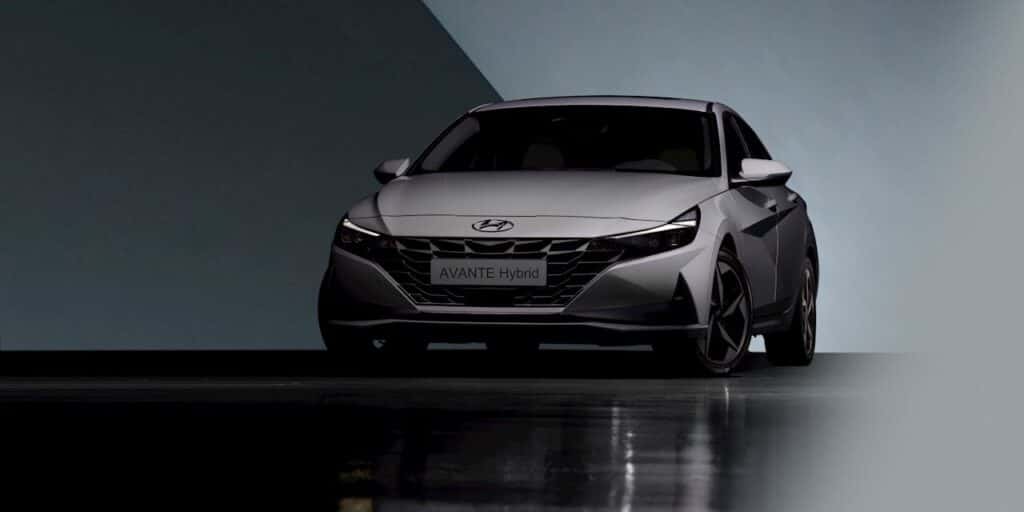
Hyundai hasn’t always been the automotive giant we know today. Starting as a small-time carmaker, it’s now the third largest car manufacturer on the planet. But how does it sell quality vehicles without hefty price tags? At Checkered Flag Hyundai World in Virginia Beach, we’ve analyzed the reasons behind Hyundai’s wallet-friendly approach, including its clever business tactics and manufacturing tricks.
Understanding Why Hyundais Have Competitive Prices
Hyundai’s image has flipped from cheap basics to respected value leaders because it packs cars with tech and comfort while keeping prices reasonable. The company has nailed what budget-conscious buyers want.
A new Hyundai in America costs about $36,000, over $10,000 more than 10 years ago. The 46% jump from 2018 to 2024 tops most rivals for price growth, yet Hyundais maintain reasonable levels. The global average cost of a Hyundai is around $26,000, much less than similar-quality cars.
Historical and Economic Factors Influencing Hyundai Pricing
Hyundai didn’t accidentally stumble into low prices. When it first tried breaking into global markets as an unknown brand, it realized it had to be the cheap option. This game plan worked. As the company sold more cars worldwide, its manufacturing costs dropped thanks to mass production. Hyundai kept improving quality while maintaining competitive prices. The numbers back up this success. Statista forecasts show Hyundai selling about 4.3 million vehicles by 2029, suggesting they can stay competitive even as their prices increase.
Manufacturing Practices Contributing to Cost Efficiency
Hyundai keeps prices down while maintaining high quality by mixing high tech with thoughtful planning. Artificial intelligence spots odd parts instantly, special machines grip components precisely and correctly, and safety checks run while production keeps moving. This vigilance cuts waste and increases production speed.
In 2015, Hyundai spent 2.712 trillion Korean won ($1.85 billion) on research and development, creating the IONIQ and SONATA electric models. The company’s WIA division built a Total Mobility Manufacturing Solution for electric vehicle (EV) production that lets robots handle most tasks. Fewer human workers mean lower costs. Building many of its vehicles in America allows the company to avoid import taxes and keep prices down.
Value Proposition: Features Without the Hefty Price Tag
Hyundai balances affordable pricing with tech and comfort that matches much pricier competitors. The 2025 VENUE proves this point. For under $30,000, you get a 1.6-liter engine with 121 horsepower, good fuel economy (29 mpg city/33 mpg highway), an 8-inch touch screen, wireless Apple CarPlay and Android Auto, and forward collision warning and lane-keeping assist. These were premium features until recently.
The ELANTRA SE offers a 2.0-liter engine delivering 147 horsepower with that same 8-inch screen and safety tech. For under $25,000, the SEL Sport trim provides a premium feel without emptying your bank account. That’s why they fly off lots.
The Impact of Market Conditions on Hyundai Pricing
Hyundai doesn’t set prices in a bubble; it’s always watching what’s happening around it. The company reacts quickly when the economy shifts or buyers want something new. This approach gives it an edge. Having only 5% of its global sales tied to Mexican-made cars lowers concern when U.S. politicians start talking tariffs. Hyundai prices can stay stable while competitors scramble.
The carmaker has shown it can be nimble when necessary. Recently, when tariff talk was heating up, Hyundai froze its suggested retail prices for two months. That’s the kind of move that wins customer loyalty. While other companies pass every cost increase straight to buyers, Hyundai sometimes plays the long game, keeping prices steady even when it might hurt short-term profits. This approach helps it navigate the crazy ups and downs of global markets.
Hyundai’s Approach to Sustainable and Efficient Production
Going green isn’t just good PR for Hyundai; it saves money in the long run. The company’s eco-friendly factory setups and energy-saving methods cut costs while helping the planet. These savings keep car prices competitive, even as buyers demand more environmentally responsible products. That $1.85 billion the manufacturer spent in 2015 developing EVs reflects its bigger vision of carbon neutrality and protecting the environment worldwide.
Hyundai isn’t stopping with greener cars. It’s working on a circular economy approach and expanding its eco-friendly lineup with EVs, hybrid electric vehicles, plug-in hybrid electric vehicles, and hydrogen-powered fuel cell electric vehicles. While these initiatives put Hyundai at the front of the sustainability pack, they also create efficiencies that help keep the manufacturer’s cars affordable.
Inexpensive Options and Offerings
Hyundai’s lineup proves you don’t need to empty your savings for a good car. These models balance quality and features with fair pricing in a way that budget-minded shoppers love. Car experts have noticed too, giving Hyundai models awards for being “the best cars for the money” (U.S. News & World Report) and having “the best-in-class residual value” (J.D. Power). This is recognition that Hyundais don’t lose value as quickly as other brands’ vehicles when you drive them off the lot.
The Cheapest Hyundai Car Models: Global Variations
What’s popular in Hyundai world depends on where you live. Indians love the i10 and the CRETA, Europeans revere the Hyundai i20, and Brazilians have made the HB20 their highest-selling passenger car. China has the Hyundai Custo, Southeast Asians go for the STARGAZER, and North Americans mostly prefer the TUCSON and the ELANTRA. Hyundai knows how to tweak its cars for local tastes without jacking up prices.
Reliability and Maintenance: Cost-Effectiveness Over Time
Buying a Hyundai saves you money long after you drive off the dealer lot. The company has built a reputation for making cars that keep running without constant trips to the mechanic. Lower maintenance costs mean more money stays in your pocket throughout your ownership experience.
Hyundai warranty embarrasses most competitors. You get a five-year guarantee on new cars, among the longest and most complete in the business. The company can offer this because it trusts its products won’t break down. Hyundai vehicles’ high residual value represents another form of savings that smart buyers appreciate.
Hyundai’s Place in the Automotive Market
Hyundai’s climb from budget brand to automotive giant is startling. It holds 11% of the American market as the fourth largest seller. In 2022, Hyundai sold 6.85 million vehicles worldwide, up 2.7% from 2021. It’s now worth about $23 billion — only Volkswagen and Toyota rank higher. This rise is impressive for a company that faced many negative perceptions in earlier years.
The company’s future is EVs and green manufacturing while maintaining low pricing. It faces challenges, such as pricier raw materials and stricter environmental rules. These might nudge prices up, but production efficiency should keep Hyundais more affordable than many competitors’ equivalents.
Test-Drive a Hyundai Today
If you’re in Virginia Beach looking for quality, features, and wallet-friendly prices, visit us at Checkered Flag Hyundai World. Our vast inventory includes small cars, SUVs, and eco-friendly options. Chat with our knowledgeable team, including our finance center, who’ll answer all your questions and demonstrate why your neighbors choose Hyundai for value without compromise. Contact us today to schedule a test-drive.
Hyundai Hybrid Car on Display by Hyundai Motor Group is licensed with Pexels License
0 comment(s) so far on Why Are Hyundais So Cheap?