

Moonroof vs. Sunroof: What’s the Difference?
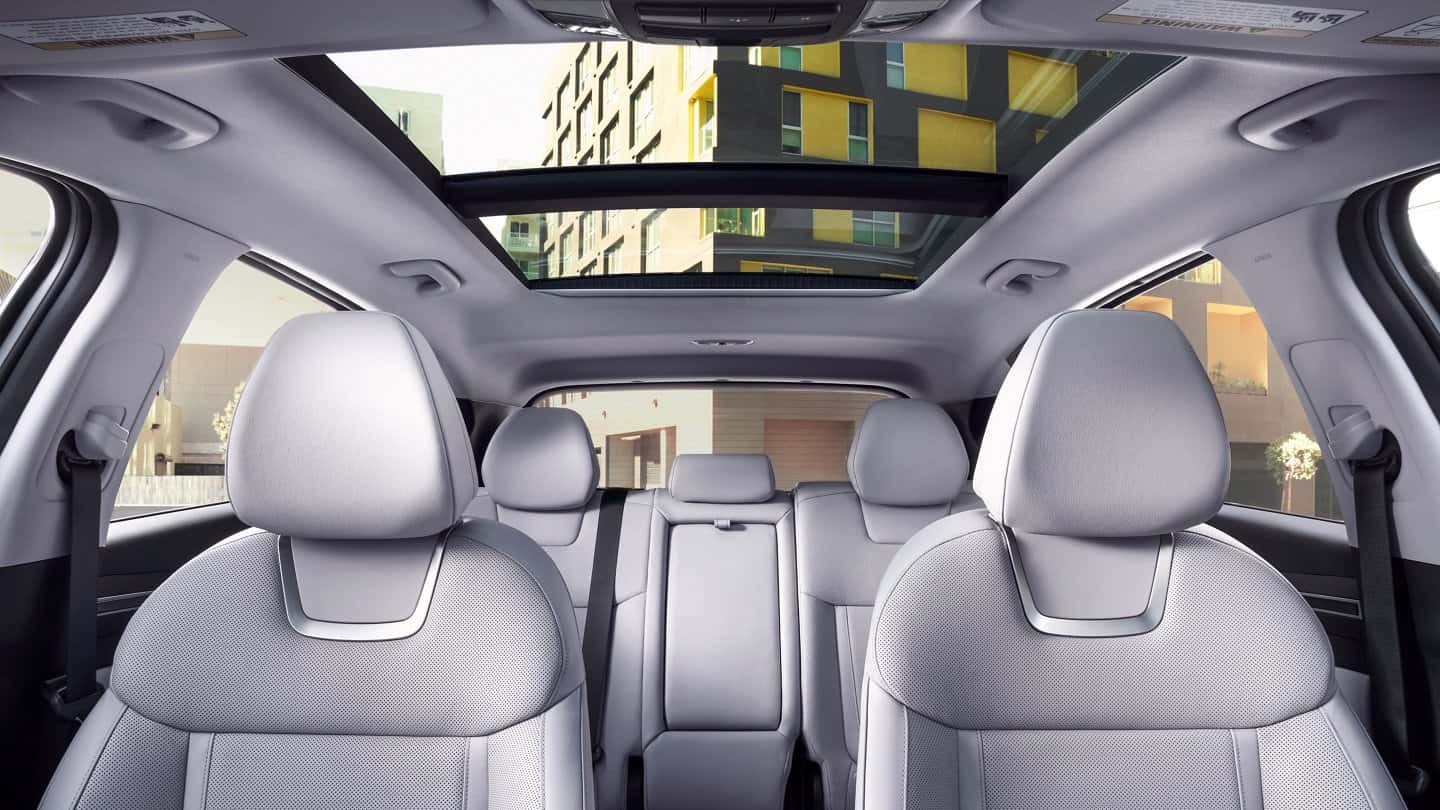
When you’re shopping for your next vehicle, you’ll run into terms like moonroof and sunroof everywhere. Dealers and car enthusiasts toss them around like they mean the same thing, but they’re actually quite different features. Getting clear on the moonroof vs sunroof distinction helps you make a smarter choice about which option works for your driving style, especially if you’re here in coastal Virginia.
At Checkered Flag Hyundai World, we’ve helped Hampton Roads drivers figure out vehicle features for years and find what truly fits their lifestyle. Sure, the choice between a moonroof and sunroof might feel like a small detail at first. But it can genuinely transform your daily driving experience. Let’s dig into what separates these roof systems and how to pick the right one for you.
What’s the Difference Between a Moonroof and Sunroof?
The difference between sunroof and moonroof boils down to materials, how they work, and what kind of light gets through. Both features bring the outdoors into your cabin, just in completely different ways.
The Traditional Sunroof Explained
A traditional sunroof uses an opaque panel. We’re talking metal or heavy-duty canvas material here. When it’s closed, zero light comes through. What defines a classic sunroof is that it opens or sometimes removes entirely, washing your vehicle’s interior with air and sunlight whenever you want it.
Most traditional sunroofs tilt for partial ventilation without going full open. Need complete protection from sun or rain? Close the sunroof and your cabin goes dark again. This design dominated older vehicles but you barely see it anymore. Consumer preferences shifted toward glass alternatives in modern car manufacturing.
Modern Moonroofs: The Glass Standard
A moonroof uses tinted glass instead of that opaque stuff. Even with your moonroof closed, natural light pours through the glass panel, brightening your cabin and giving you those sky views throughout your drive. Most moonroofs slide between your roof and headliner rather than coming out completely, which keeps your vehicle’s sleek profile intact.
Modern moonroofs typically include an interior sliding shade you can close when you want to block light or cut down heat buildup. This dual-layer system gives you real flexibility: keep the shade open for natural light during overcast days, close it during brutal sunshine, or slide the glass panel open for fresh air. Today’s vehicles almost exclusively feature glass moonroofs, which is why the terms have become pretty much interchangeable at dealerships and in regular conversation.
Understanding Panoramic Roof Systems
Panoramic roofs represent moonroof technology’s next step, taking the whole concept much further. These massive glass systems stretch over both front and rear seats, creating an open, airy feel throughout your cabin. Instead of one panel, panoramic roofs often feature multiple glass sections, sometimes with one or more sections that tilt or slide open.
The appeal of a panoramic moonroof vs sunroof lies in that dramatic boost in natural light and enhanced sense of space. Rear passengers really benefit from this feature with sky views and natural light that regular roofs just can’t deliver. During scenic drives along the Chesapeake Bay or through coastal areas, a panoramic roof turns your vehicle into a rolling observation deck.
Panoramic systems do have trade-offs. That larger glass area means more heat gain during summer months, though most manufacturers use UV-tinted glass to help manage this. These systems also add weight to your vehicle’s roof and might reduce headroom slightly compared to non-panoramic options.
Benefits of a Moonroof or Sunroof for Coastal Virginia Driving
Living in Hampton Roads gives you unique chances to enjoy moonroof and sunroof features year-round. Our coastal location offers mild winters and plenty of sunshine, making these options practical way beyond just summer months.
Natural Light and Open-Air Experience
Natural light changes your driving experience in ways you won’t expect until you’ve actually lived with it. Instead of feeling boxed in during morning commutes, you stay connected with your surroundings. You watch clouds drift overhead and experience the changing sky throughout your day. This outdoor connection cuts down that closed-in cabin feeling, making even routine trips more pleasant.
The open-air experience goes even further. Sliding your moonroof open during perfect spring evenings or comfortable fall afternoons brings coastal atmosphere right into your vehicle. You smell that salt air, feel gentle breezes, and hear your surroundings in ways that closed cabins simply can’t match. For families, this feature turns ordinary drives into something memorable, giving kids a totally different perspective on familiar routes.
Improved Ventilation on Summer Road Trips
Coastal Virginia summers deliver humidity and heat that can make vehicles downright uncomfortable. Air conditioning handles temperature, but a moonroof or sunroof provides backup ventilation that feels more natural than just mechanical cooling. The tilt-and-slide function lets hot air escape from your cabin’s highest point, where it naturally gathers, creating airflow that helps your AC work more efficiently.
During longer road trips, this ventilation option cuts down that stuffy feeling that sometimes builds up in closed vehicles. Opening your moonroof even just a crack allows fresh air to cycle through the cabin, keeping everyone comfortable during extended drives.
Potential Drawbacks to Consider
We believe in helping customers make smart decisions, which means talking through both the good and the challenging aspects of moonroofs and sunroofs.
Heat, Glare, and UV Exposure
The same glass that brings beautiful natural light into your cabin also allows solar heat gain, especially during sunny summer months. Even with tinted glass and interior shades, panoramic and moonroof-equipped vehicles can get hotter when parked in direct sunlight. This means your air conditioning might work harder initially to cool things down.
Glare becomes an issue during certain times when the sun sits at particular angles. Interior shades help, but some drivers find they need to keep shades closed during peak sunshine hours. UV exposure depends on glass quality and tinting, with some manufacturers including better UV-protective coatings than others.
Wind Noise and Reduced Headroom
Opening your moonroof at highway speeds can create wind buffeting (that rhythmic pressure change inside the cabin that some passengers find annoying). Most modern systems minimize this effect, but it’s still more noticeable in certain vehicles than others. We always suggest test drives with the moonroof open at different speeds to check your comfort level.
Panoramic and moonroof systems also need mechanical components housed in your roof structure, which can slightly cut headroom compared to vehicles without these features. For most drivers, this difference barely registers. Taller people should definitely check headroom during test drives to make sure seating positions stay comfortable.
Maintenance Tips to Keep Your Roof System Working Smoothly
Smart maintenance extends your moonroof or sunroof’s life and prevents common problems like leaks or mechanical failures. Here’s what’s essential for coastal Virginia conditions:
Clean your glass panel and tracks regularly to stop dirt, pollen, and salt residue from accumulating. Our coastal environment means your vehicle encounters more airborne salt than inland areas, which can corrode mechanical parts over time. Gentle cleaning with proper automotive glass cleaner keeps the system running smoothly.
Check and clear drainage channels at least twice yearly, especially before spring’s rainy season. Moonroofs and sunroofs include drain tubes that channel water away from the cabin, but these can get clogged with debris. In our humid, rainy coastal climate, working drainage is absolutely critical for preventing interior water damage.
Lubricate moving parts according to your vehicle manufacturer’s schedule. Those sliding mechanisms need proper lubrication to work smoothly and prevent early wear. Our service center can handle this during routine maintenance appointments, making sure your system gets the right products in the correct spots.
How to Choose the Right Roof Option for Your Lifestyle
The right choice depends on your specific situation and what you actually want rather than some universal best answer. Here’s what to think about:
For daily commutes, a moonroof with a sliding shade offers real flexibility. You’ll get natural light during nice weather while keeping the option to block heat and glare during intense sunshine. Being able to open the roof partially gives you ventilation without the full exposure of a completely open sunroof.
Family road trips really benefit from panoramic roof systems, particularly when you’re traveling with kids. Rear passengers love the spacious feeling and entertainment value of watching clouds and scenery through that expansive glass. You’ll need to balance this against potential wind noise during conversations and managing heat on sunny days though.
Garage considerations matter more than most buyers initially think about. Vehicles with panoramic roofs sit slightly higher than standard models, which can create clearance problems in garages with low doors or ceilings. Measure your garage height before committing to a panoramic roof option if space is tight.
Your comfort with wind noise, how much you mind managing heat, and how much you want natural light should drive your decision. There’s no wrong choice here, only the option that best matches what you prioritize.
Hyundai Models Featuring Panoramic Roof Options
Hyundai offers panoramic roof options across several popular models, letting you experience this feature at different price points. The Tucson, Santa Fe, and Palisade commonly include panoramic roof availability, each offering unique benefits for different buyer needs.
These systems showcase Hyundai’s focus on combining style, functionality, and value. Availability changes by trim level and package configuration though, so we encourage checking with us for specific details about current inventory and ordering options. Our team can explain exactly which models and trims include panoramic roofs and help you compare options side by side.
Experience Moonroof Options in Person at Checkered Flag Hyundai World
Reading about moonroof vs sunroof differences gives you valuable information, but nothing beats hands-on experience. We invite you to visit Checkered Flag Hyundai World to see these roof systems in person and take test drives in actual coastal conditions.
Our team can show you how different moonroof and panoramic roof systems work, demonstrate the differences between models, and help you figure out which option suits your lifestyle. You’ll experience firsthand how these features perform during drives along Virginia Beach’s coastal roads, giving you real confidence in your decision.
0 comment(s) so far on Moonroof vs. Sunroof: What’s the Difference?