

2026 Hyundai Santa Fe vs 2026 Toyota RAV4
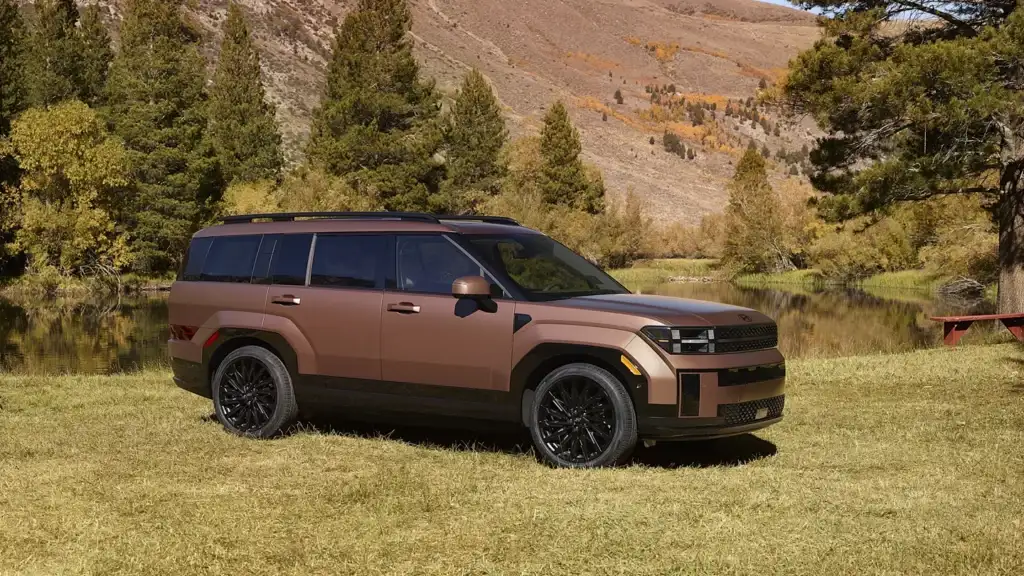
The 2026 Hyundai Santa Fe vs 2026 Toyota RAV4 comparison shows two completely different approaches in the midsize SUV world. The Santa Fe brings bold looks, three-row seating, and turbocharged punch. The RAV4? It’s gone all-in on hybrid efficiency with a smaller, five-seat setup.
Getting these key differences straight helps you figure out which one actually fits your Virginia Beach commutes and Hampton Roads family adventures.
What’s New for 2026: A Tale of Two Redesigned SUVs
The 2026 Santa Fe builds on its recent makeover with better tech and improved connectivity features. Hyundai’s focused on creating a more modern cabin experience, upgrading materials while keeping that bold, squared-off look that catches eyes around Hampton Roads.
Toyota’s taking a radically different path with the RAV4. They’ve ditched all gas-only engines completely, making every single model a hybrid. That’s a huge bet that buyers care more about fuel economy than traditional powertrains. You’ll also find updated driver assistance tech and some subtle styling updates.
Powertrain Comparison: Gas Power vs. All-Hybrid Lineup
Here’s where these SUVs really split apart. The Santa Fe gives you options with both regular gas and hybrid versions, while Toyota’s betting everything on electrification. This choice affects everything from your gas station visits to what you’ll spend over the years.
| Category | 2026 Hyundai Santa Fe Gas | 2026 Toyota RAV4 Hybrid |
| Horsepower | 277 hp | 226–236 hp |
| Torque | 311 lb-ft | 163 lb-ft |
| Engine | Intercooled Turbo 2.5L I-4 | Gas/Electric 2.5L I-4 |
| Transmission | 8-Speed A/T | CVT |
| MPG (City/Hwy) | 20/29 | 47/40 (FWD) |
| Towing Capacity | Up to 4,500 lbs | Up to 3,500 lbs |
Santa Fe 2.5T Gas vs. RAV4 Hybrid
The Santa Fe’s turbocharged 2.5-liter produces 277 horsepower and 311 lb-ft of torque. That means confident acceleration for Norfolk Naval Base commutes and smooth highway merging. This straightforward gas setup works well for people who prefer simple powertrains without any hybrid complications.
The RAV4’s hybrid system mixes gas and electric power to maximize efficiency, hitting 47 city/40 highway MPG. Toyota made hybrid tech the standard here, with the electric motor taking care of slow-speed driving to save fuel in stop-and-go traffic.
It really comes down to what matters most: the Santa Fe’s gas engine costs less upfront and you’ll refuel like always, while the RAV4 hybrid cuts your fuel bills over time. Your daily driving habits determine which one actually saves you money.
Want to feel the difference yourself? Schedule a test drive at our Virginia Beach location to experience the Santa Fe’s turbo power.
Santa Fe Hybrid vs. RAV4 Hybrid
When you compare the hybrid versions head-to-head, both combine gas engines with electric motors for better efficiency. The Santa Fe hybrid uses a turbocharged engine making 231 horsepower along with its electric components, giving you strong acceleration while still delivering decent fuel economy.
Toyota’s RAV4 hybrid has years of development behind it, switching between power sources so smoothly you barely notice. The smaller size helps the RAV4 achieve efficiency numbers that beat most rivals, and Toyota’s hybrid track record gives you confidence about long-term reliability.
How the RAV4 PHEV Stacks Up
The RAV4 Plug-in Hybrid adds plug-in capability with 324 horsepower, making it the most powerful version available. A bigger battery lets you drive on pure electric power for daily trips, potentially dropping your fuel costs to almost nothing if you can charge regularly at home or work.
The Santa Fe doesn’t offer a plug-in version, leaving Toyota alone in this space. Whether that matters depends on your charging setup and how far you drive each day.
Interior Space and Seating Capacity
The Santa Fe stretches longer and wider than the RAV4, which means noticeably more room inside. This makes the Hyundai the clear winner for families who actually need that third row, seating up to seven people versus the RAV4’s five-seat maximum. Second-row passengers get plenty of legroom, and the optional third row gives you flexibility for carpools or when the extended family visits.
The RAV4 concentrates on making the most of space for five people, giving you more cargo room behind the second row. Back-seat passengers sit comfortably with enough head and legroom for adults, while the compact size makes parking easier in crowded Virginia Beach lots.
Inside, the Santa Fe features a clean, minimalist dashboard with large screens and simplified controls. Hyundai uses nice materials throughout, creating an upscale feel. The RAV4 goes with a more traditional layout featuring proven ergonomics and tough materials built for family use. Curious about what we have available? Browse our new Santa Fe inventory to check out available trims and options.
Cargo Room and Versatility
The Santa Fe offers more total cargo space with all seats up, thanks to its three-row design and longer body. Fold that third row down and you get an impressive carrying capacity for beach equipment or weekend getaways.
The RAV4’s two-row setup dedicates more space to cargo right from the start. Behind the second row, you’ll find a generous area that easily handles groceries and sports gear. The square cargo opening and low load floor make loading heavy stuff much easier.
Both include underfloor storage, power liftgates, and roof rails for extra carrying capacity. Towing capability hits 3,500 pounds for both vehicles, enough for small trailers or boat packages.
Technology and Standard Features
The Santa Fe comes loaded with big screens, wireless smartphone integration, and user-friendly menus. The system responds quickly and supports over-the-air updates. Toyota gives the RAV4 a solid infotainment system that prioritizes dependability over flashy features, keeping physical buttons as backup controls.
Standard features on base models include automatic emergency braking, lane keeping assist, and adaptive cruise control. Both companies understand that safety tech should be available to all buyers, not just those who buy expensive trims. Higher levels add digital gauge clusters, head-up displays, and premium sound systems.
Both vehicles come with wireless Apple CarPlay and Android Auto, so you can use familiar apps without dealing with cables.
Safety Systems and Driver Assistance
Both the Santa Fe and RAV4 earn solid crash test scores from independent testing agencies. Standard safety packages include automatic emergency braking, lane departure warning, and lane keeping assist. Blind spot monitoring alerts you to vehicles hiding in your blind spots during lane changes, while rear cross-traffic alert helps protect you when backing out of parking spaces.
Adaptive cruise control maintains your set speed while automatically adjusting distance to cars ahead, reducing fatigue during highway drives. Both systems work smoothly and help reduce driver fatigue on long commutes.
Value and Final Verdict: Which SUV Wins?
The RAV4 benefits from Toyota’s solid reputation for durability and strong resale values. Toyota’s hybrid systems have shown impressive longevity, which helps ease concerns about expensive battery replacements down the road. But Hyundai fights back with much better warranty coverage: a 10-year/100,000-mile powertrain warranty versus Toyota’s 5-year/60,000-mile coverage, plus a longer 5-year/60,000-mile basic warranty compared to Toyota’s 3-year/36,000-mile protection. This comprehensive coverage dramatically reduces your financial risk during the early years of ownership.
The Santa Fe typically starts at a lower price than the RAV4, offering more standard features at similar price points. Ready to explore financing options? Our team can help you get pre-approved for financing to make your purchase process smoother.
Your decision really depends on what matters most to you. Choose the Santa Fe if you need three rows, love bold styling, want that 277-horsepower advantage, or value Hyundai’s superior warranty protection. The RAV4 makes more sense when fuel efficiency tops your priority list, you trust Toyota’s reliability reputation, or your family stays at five people or fewer.
Experience the 2026 Hyundai Santa Fe at Checkered Flag Hyundai World
We encourage Virginia Beach area shoppers to test drive both vehicles. At Checkered Flag Hyundai World, we maintain a full inventory of 2026 Santa Fe models with a straightforward sales approach. Our service center handles maintenance using genuine Hyundai parts, supporting your ownership long after you drive off our lot.
Contact our team at 757-497-7777 or visit us at 3700 Sentara Way to schedule your test drive and find out which SUV works best for your family.
0 comment(s) so far on 2026 Hyundai Santa Fe vs 2026 Toyota RAV4