

Hyundai Maintenance Schedule
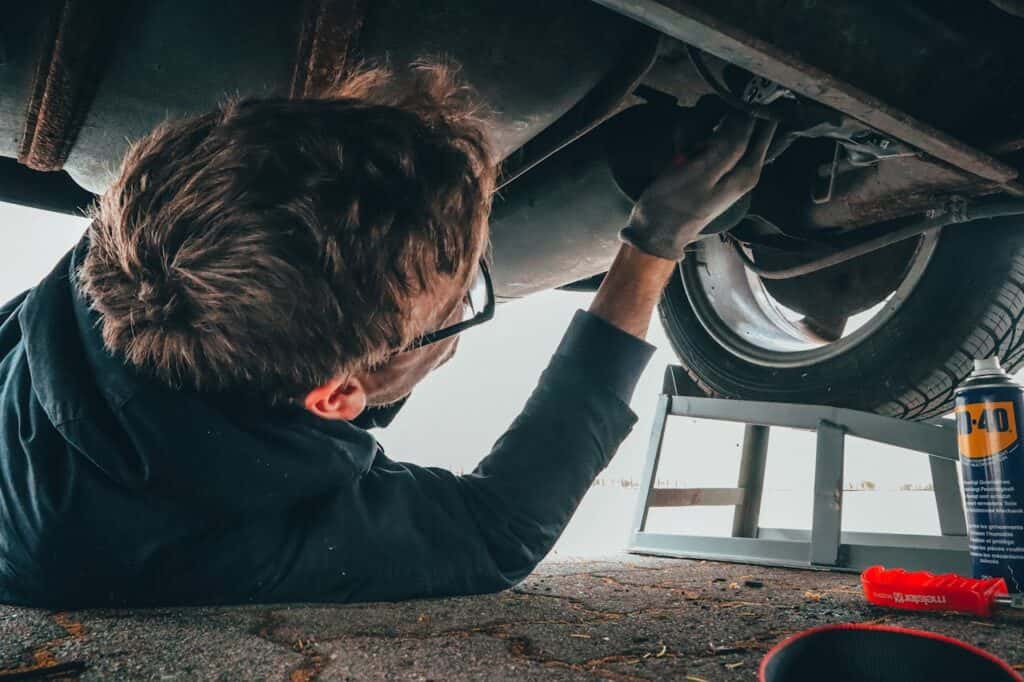
Taking good care of your Hyundai isn’t just about keeping it clean — it’s your ticket to a smoother, safer drive that won’t drain your wallet. Regular check-ups can boost how well your car performs, how long it lasts, and your safety on the road. In this guide, we’ll walk through Hyundai’s recommended maintenance schedule and share practical ways to keep your ride running like new.
The Importance of Your Hyundai Maintenance Schedule
Following Hyundai’s suggested maintenance schedule is a must for keeping your car in great shape. Stick to the manufacturer’s recommendations, and you’ll notice better performance, improved gas mileage, and longer-lasting parts. Regular servicing can also save you a ton of money by catching problems early and keeping your warranty valid. Let’s face it: preventing problems often costs much less than fixing them after they happen.
Saving all of your service records is also a great idea. It’s handy to have detailed records to keep track of things yourself, but it’s also proof you’ve been taking good care of your car if warranty questions ever come up. It can even help boost your resale value — when you maintain your Hyundai properly and have the paperwork to prove it, buyers will pay more when it’s time to trade up.
Hyundai’s Recommended Maintenance Intervals
Depending on what engine your Hyundai has, you’ll typically need your car serviced every 3,000 to 5,000 miles. These timeframes aren’t random — Hyundai has carefully determined each model’s ideal schedule to keep everything running smoothly and avoid potential issues that could lead to major repairs or breakdowns. Always check the manual for your specific model or talk to a Hyundai technician if you have questions, but here are Hyundai’s typical recommended maintenance guidelines for the first few years of ownership:
- 3,000 miles or three months: Technicians will swap out your motor oil, look at the oil filter, top off fluids, check the tire pressure, and give your car a quick once-over to help catch problems before they arise.
- 7,500 miles or six months: Service technicians will rotate your tires for even wear, inspect your brakes, adjust the parking brake, check the throttle chamber, and add some helpful additives to your fuel and oil to keep things running smoothly.
- 15,000 miles or 12 months: Your car will get a more thorough going-over, including a tire inspection and alignment, a complete oil flush, new wiper blades, a suspension check, and a check for any leaky fluids.
- 30,000 miles or 24 months: Your Hyundai will need a new engine air filter, tire rotation and balancing, battery terminal cleaning, a steering and suspension check, an air-conditioning system test, an engine coolant flush, and a transmission fluid flush.
- 60,000 miles or 36 months: Technicians will install a new battery, check the serpentine belt, replace the spark plugs, change the power steering fluid, replace the timing belt if needed, and check the transmission fluid, brake fluid, and brake pads.
- 90,000 miles: This big service will typically include oil and filter changes, fuel additives, new air and climate filters, a tire rotation, an air-conditioning inspection, battery testing, and thorough checks of just about everything — the brakes, belts, driveshafts, exhaust, fuel system, steering, and suspension.
Practical Tips for Keeping Your Hyundai in Peak Condition
Following the official service schedule matters most, but there’s plenty you can do between visits to keep your car happy. Quick daily checks, such as doing a simple walk around your car to look at the tires and check for leaking fluids, can make a huge difference and help you spot issues early. If you notice warning lights on your dash, odd noises, or vibrations while you’re driving, get your car checked out right away to save yourself from bigger, pricier problems later.
Oil changes are essential for your engine. Use the right oil type for your Hyundai, and check the levels between changes. While you’re at it, keep tabs on the other liquids, too — coolant, brake fluid, transmission fluid, power steering fluid, and even windshield washer fluid. Make sure you also consistently check your battery — keep those terminals clean and corrosion-free, and watch for signs the battery is getting tired.
Don’t just rely on your tire pressure monitoring system to alert you to tire issues. Check the pressure (including the spare), look for uneven wear patterns, and rotate them regularly. Air filters and wiper blades deserve attention as well. A clean filter helps your engine breathe better, and fresh wipers keep you seeing clearly when you’re driving around Virginia Beach in the rain.
Smart Strategies for Cost-Effective Vehicle Upkeep
Hyundai cars are built to last and don’t cost much to maintain, which makes them pretty smart picks for folks watching their budgets. The average Hyundai owner spends about $640 yearly on maintenance and repairs — way less than the $891 industry average most car owners face. Still, vehicle upkeep can get expensive if you don’t stay on top of it. Try setting aside a little money each month for car care so routine services don’t catch you off guard, and keep an eye out for deals and seasonal promotions we offer at Checkered Flag Hyundai World.
You should also take full advantage of Hyundai’s complimentary maintenance program if you qualify for it. The program covers regular factory-scheduled service for three years or 36,000 miles on Hyundai cars bought new since February 2020. This includes oil changes (except for electric and hydrogen models) and tire rotations. Just remember to get these services within 1,000 miles or one month of when they’re due and to use authorized Hyundai service centers.
You can handle some simple tasks yourself to save cash, such as changing wiper blades or air filters. For anything complicated, trust the professionals. Dealerships know Hyundai vehicles best and have special tools for complex problems, but good independent shops might save you money on basic maintenance. Just make sure they have Hyundai-certified technicians and use genuine parts, which last longer and keep your warranty intact.
Staying Ahead With Scheduled Maintenance at Checkered Flag Hyundai World
Taking care of your Hyundai on a regular schedule means you’re actually investing in your car’s long-term value and performance. Your Hyundai was built tough, and with the right care, it’ll keep running strong for years. Be proactive about your car’s needs, and contact us at Checkered Flag Hyundai World to schedule your next maintenance visit. We’re also happy to answer any questions you have about keeping your Hyundai in great shape.
Man Fixing Vehicle Engine by Malte Luk is licensed with Pexels License
0 comment(s) so far on Hyundai Maintenance Schedule