

How Many Miles Can a Hyundai Tucson Last?
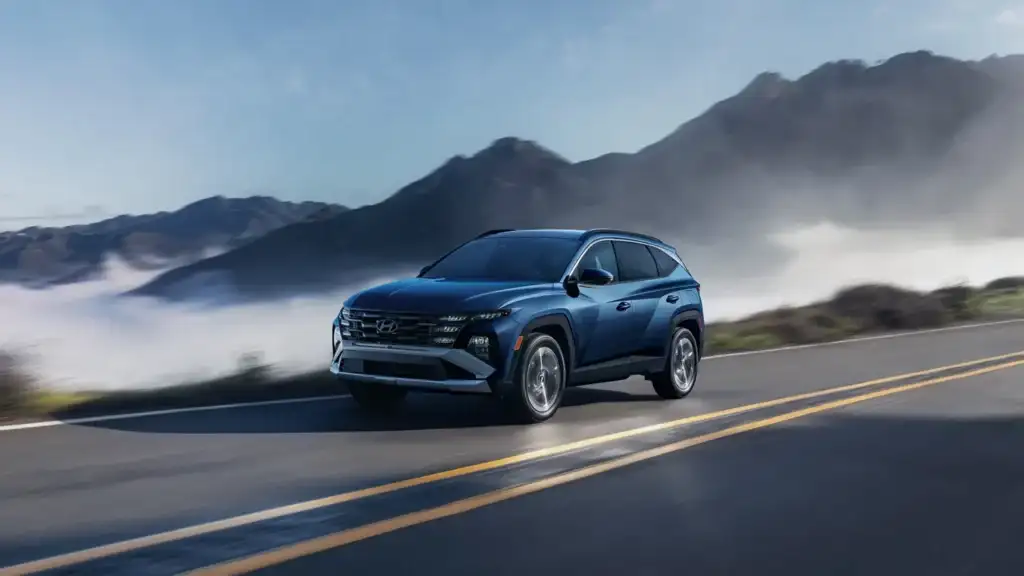
If you’re shopping for a compact SUV that won’t leave you stranded a few years down the road, the Hyundai Tucson deserves a close look. Owners and independent researchers alike have tracked how these vehicles hold up over time, and the numbers tell a pretty encouraging story.
How Many Miles Can a Hyundai Tucson Really Last?
A well-maintained Hyundai Tucson can realistically reach 200,000 miles or more, though the average owner sees somewhat less before trading in. According to iSeeCars, the average Tucson lifespan lands around 119,386 miles, or roughly 9.3 years, with drivers covering about 10,392 miles annually over the vehicle’s first decade. The same study found only about a 2.4% chance of any given Tucson reaching the 200,000-mile mark, so while it’s achievable, it’s far from guaranteed. That gap between average and maximum lifespan comes down almost entirely to maintenance habits and driving conditions. If you’re weighing a new Tucson against the used market, it helps to see what’s currently available. Feel free to browse our new Tucson inventory and get a feel for which trim fits your driving habits and budget.
What Determines a Hyundai Tucson’s Lifespan
Hyundai Tucson longevity isn’t a single fixed number baked into the vehicle at the factory. It’s the sum of dozens of smaller decisions made every week, from oil change timing to how gently you brake at stoplights to whether tire rotations actually happen on schedule. Fluid maintenance, tire care, and brake service tend to matter most, along with driving habits and climate exposure.
Oil Changes and Fluid Maintenance
The Tucson’s engine depends on clean, fresh oil more than almost anything else you’ll do to maintain it. Recommended intervals run around 7,500 miles or 12 months under normal conditions using 0W-20 full synthetic, though some guidance points closer to 8,000 miles. Rather than picking one number as gospel, your best bet is checking your owner’s manual or your VIN-specific maintenance schedule, since Hyundai distinguishes between Normal and Severe maintenance schedules depending on how the vehicle is driven. Coolant and transmission fluid checks matter just as much, since low or degraded fluid is one of the fastest ways to shorten a Tucson’s mileage life.
Tire Care and Rotation
Tire rotation intervals are cited anywhere from 6,000 to 8,000 miles, with 7,500 miles being a commonly referenced middle ground. Rotating tires on schedule evens out tread wear, which in turn protects the suspension and drivetrain from uneven stress. Hyundai’s manual also specifically warns against mixing bias-ply and radial tires on the same vehicle, a detail that’s easy to overlook but important for handling and safety.
Brake Service and Inspections
Brake pad inspections are typically checked at scheduled service intervals, which makes sense since you’ve already got the wheels off for other work. Typical brake pad life runs 30,000 to 70,000 miles depending on driving style, though Tucson Hybrid models can stretch pad life to 60,000 to 80,000 miles thanks to regenerative braking. That reduced friction-brake use can occasionally lead to rotor corrosion or uneven deposits if the vehicle sits for long stretches. Brake fluid replacement is generally recommended around every 30,000 miles or two years.
Driving Habits and Climate Conditions
How you drive matters just as much as how often you service the vehicle. Hyundai’s manual defines several severe driving conditions that accelerate wear, including frequent short trips under 5 miles in normal weather or under 10 miles in freezing temperatures, extensive idling or low-speed driving, and travel on rough, dusty, muddy, or salt-treated roads. That last point is especially relevant if you’re driving around Virginia Beach or the broader Hampton Roads area, where coastal salt air can quietly work on your undercarriage over the years. Regular washes and undercarriage rinses go a long way toward offsetting that exposure.
Hyundai Warranty Coverage and What It Means for Longevity
Hyundai backs new Tucson models with a 5-year/60,000-mile New Vehicle Limited Warranty and a 10-year/100,000-mile Powertrain Limited Warranty, excluding vehicles used commercially. That powertrain coverage runs longer than what most competitors offer. One caveat worth noting: the 10-year/100,000-mile powertrain warranty may apply only to the original owner, and coverage terms can differ for subsequent owners, so it’s worth confirming directly with the dealer if you’re not the first person to hold the title. Either way, this warranty structure gives owners a strong incentive to keep up with maintenance, since a well-documented service history protects your coverage and your resale value at the same time.
How to Help Your Hyundai Tucson Reach High Mileage
Reaching the upper end of the Tucson’s mileage potential isn’t complicated, but it does require consistency. Two habits make the biggest difference: sticking to your service schedule and paying attention when something feels off.
Sticking to the Recommended Service Schedule
Following your manufacturer-recommended schedule, whether that’s the Normal or Severe track, keeps oil changes, brake inspections, and fluid replacements on time instead of “whenever I get around to it.” Some newer Tucsons may qualify for complimentary maintenance coverage, potentially including oil changes, filter changes, multi-point inspections, and tire rotations for a limited window, but eligibility varies, so confirm current terms with the dealership before assuming your vehicle qualifies.
If you’re not sure what’s due on your Tucson right now, it’s worth having someone take a look. You can schedule a service appointment with our team and we’ll walk you through exactly what your VIN’s schedule calls for.
Catching Warning Signs Before They Become Costly Repairs
A dashboard light. A new rattle. A slight pull to one side while braking. Small signals like these are worth investigating right away. Catching a minor issue at 60,000 miles is far cheaper than ignoring it until it becomes a major repair at 100,000. This is arguably the single cheapest thing you can do to extend your Tucson’s mileage life.
To put mileage milestones in perspective: around 60,000 miles, expect your first major brake and fluid service; by 100,000 miles, timing components and suspension bushings often need a closer look; at 150,000 miles, budget for wear items like motor mounts and cooling system hoses; and by 200,000 miles, you’re in the territory where only a well-maintained minority of Tucsons remain running strong, according to iSeeCars data.
Buying a Used Hyundai Tucson in Virginia Beach: What to Check
Shopping the used market changes the calculus slightly, since you’re inheriting someone else’s maintenance decisions. That makes due diligence essential before you sign anything.
Reviewing Mileage and Maintenance Records
Cross-reference the odometer reading against the service records you’re given. A Tucson with 90,000 miles and a thin folder of receipts tells a very different story than one with a complete history of oil changes, tire rotations, and brake service. Gaps in the record aren’t automatically disqualifying, but they should prompt more questions.
Questions to Ask About Service History
Before buying a used Tucson, it helps to ask a few direct questions and get real answers, not just a shrug:
- Has the vehicle had any major repairs, and if so, what were they and when?
- Are there recurring issues that have shown up more than once?
- Can the seller provide records for oil changes, tire rotations, and brake service?
- Has the timing chain or belt (whichever applies to the engine) been serviced according to schedule?
- Has the vehicle been in any accidents, and is there visible frame or body repair?
- What’s the current condition of the tires and brake pads?
If you’re also curious about which model years tend to hold up best, that’s a fair question to bring to our sales team, since certain years often reflect stronger reliability track records and hold their value a bit better on the used market than others.
Is a Hyundai Tucson a Reliable Long-Term Choice?
The data backs up the Tucson as a solid long-term choice, even if it’s not flawless. RepairPal gives the Tucson a 4.0 out of 5.0 reliability rating, ranking it 5th out of 26 compact SUVs, with an average annual repair cost of $426. RepairPal also found Tucson owners visit repair shops for unscheduled issues about 0.3 times per year, matching the compact SUV average and beating the 0.4 average across all vehicle types. iSeeCars identified the Tucson as the only Korean vehicle among the top-10 models that owners keep for 15 years or more. With reasonable care, a Tucson holds up as a long-term vehicle you can rely on rather than something you’re planning to trade in early.
Explore Tucson Options at Checkered Flag Hyundai World
The Bottom Line
With consistent maintenance, realistic expectations, and a bit of attention to warning signs, many owners push well past the average and into six-figure mileage territory, with a smaller but real number crossing 200,000 miles. There’s no guarantee attached to any of these figures, but the Tucson’s track record gives buyers good reason for confidence.
Ready to Take the Next Step?
Whether you’re shopping for a new Tucson, considering a Certified Pre-Owned (CPO) model with its 10-Year/100,000-Mile CPO Powertrain Limited Warranty and 173-point inspection, or you already own one and need service, we’re here to help. Explore our used vehicle selection, browse current new inventory, or contact our team to talk through what fits your driving needs in Virginia Beach and across Hampton Roads.
0 comment(s) so far on How Many Miles Can a Hyundai Tucson Last?